Choosing the Right Architectural Signage for Your Needs: Custom Business Signage Options

Selecting the appropriate signage for commercial spaces requires precision and technical insight. The right signage enhances brand visibility, guides visitors, and complements architectural design. I focus on delivering clear, practical advice to help you make informed decisions about custom business signage options.
Understanding Custom Business Signage Options
Custom business signage options vary widely in materials, styles, and technologies. Each choice impacts durability, aesthetics, and functionality. Common materials include:
Aluminum: Lightweight, corrosion-resistant, ideal for outdoor use.
Acrylic: Offers a sleek, modern look with excellent light diffusion.
Stainless Steel: Durable and high-end, suitable for premium branding.
Wood: Provides a natural, warm appearance but requires maintenance.
Signage types include:
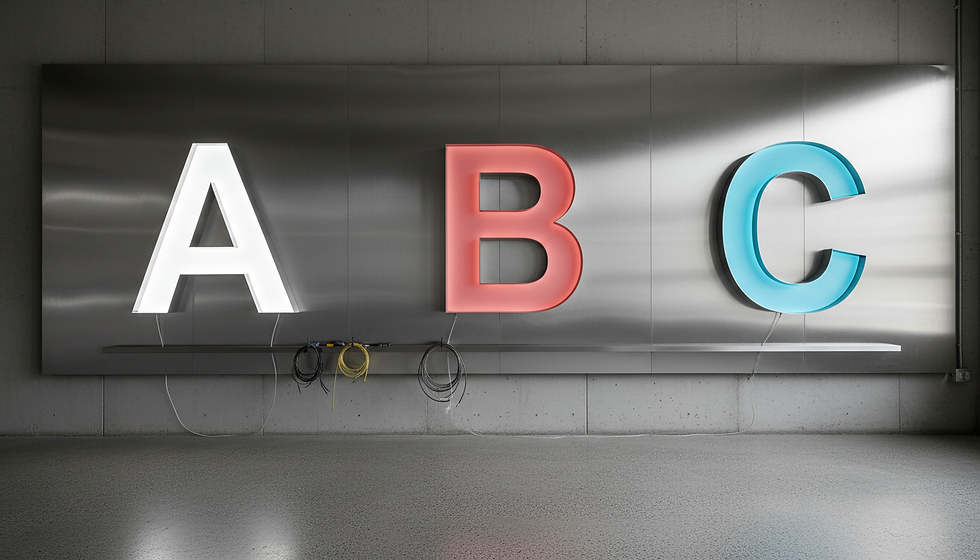
Dimensional Letters: Three-dimensional letters that add depth and visibility.
Blade Signs: Mounted perpendicular to the building facade for pedestrian visibility.
Monument Signs: Ground-level signs that establish presence at entrances.
Wayfinding Signs: Direct visitors efficiently through complex spaces.
Each option serves a specific purpose. For example, dimensional letters work well for storefront branding, while wayfinding signs improve navigation in large commercial complexes.

Material Selection and Environmental Considerations
Choosing the right material depends on environmental factors and maintenance capabilities. Outdoor signage must withstand weather conditions such as rain, sun exposure, and temperature fluctuations. For instance:
Aluminum resists rust and is lightweight, making it suitable for coastal areas.
Stainless steel offers superior corrosion resistance but is heavier and more expensive.
Acrylic is vulnerable to UV damage unless treated with protective coatings.
Wood requires sealing and regular upkeep to prevent decay.
Consider the installation environment carefully. Indoor signage can prioritize aesthetics and design flexibility, while outdoor signage demands durability and weather resistance.
Design and Visibility Factors
Effective signage must be legible and visually appealing from various distances and angles. Key design elements include:
Font choice: Use clear, sans-serif fonts for readability.
Size: Letters should be large enough to be seen from the intended viewing distance.
Contrast: High contrast between text and background improves visibility.
Lighting: Incorporate LED or backlighting to enhance visibility at night.
Placement also affects visibility. Signs should be positioned at eye level or slightly above for pedestrian traffic and higher for vehicular visibility. Avoid obstructions such as trees or architectural features.

Integrating Technology in Signage
Modern signage increasingly incorporates technology to improve functionality and engagement. Options include:
Digital displays: Allow dynamic content updates and interactive features.
LED lighting: Enhances visibility and energy efficiency.
Smart signage: Integrates sensors or connectivity for real-time information.
When selecting technology, consider power availability, maintenance requirements, and compatibility with existing infrastructure. Digital signage suits high-traffic areas where content needs frequent updates, while static signs are better for consistent branding.
Installation and Compliance Requirements
Proper installation ensures longevity and safety. Work with experienced professionals to assess structural support, mounting methods, and electrical connections. Compliance with local regulations and building codes is mandatory. This includes:
Permits for signage size and placement.
Adherence to fire safety standards.
Accessibility requirements for wayfinding signs.
Failure to comply can result in fines or forced removal. Plan installation timelines to minimize disruption to business operations.
Maximizing Impact with Architectural Signage
I recommend considering architectural signage as a strategic investment. These signs integrate seamlessly with building design, enhancing brand identity while serving functional purposes. Precision-engineered solutions elevate commercial spaces and create a unified visual experience.
Architectural signage combines material quality, design excellence, and technical innovation. It supports a cohesive branding strategy and improves customer interaction with the environment.
Final Recommendations for Effective Signage
To select the right signage:
Assess your environment: Indoor or outdoor, climate, and visibility needs.
Define your goals: Branding, wayfinding, or promotional purposes.
Choose materials wisely: Balance durability, aesthetics, and maintenance.
Incorporate technology thoughtfully: Match tech features to operational needs.
Ensure compliance: Obtain necessary permits and follow regulations.
Work with experts: Engage professionals for design, fabrication, and installation.
By following these steps, you ensure your signage investment delivers maximum value and supports your commercial objectives.
This approach to custom business signage options prioritizes technical precision and practical application. It aligns with the goal of elevating commercial spaces through high-end, engineered signage solutions.


Comments