The Impact of Signage for Branding

Effective branding requires more than just a logo or color scheme. It demands a cohesive visual presence that communicates identity clearly and consistently. One critical element in this visual strategy is signage. Signage for branding plays a pivotal role in shaping perceptions and guiding customer experience. It influences how a commercial space is recognized and remembered.
The Role of Signage for Branding in Commercial Spaces
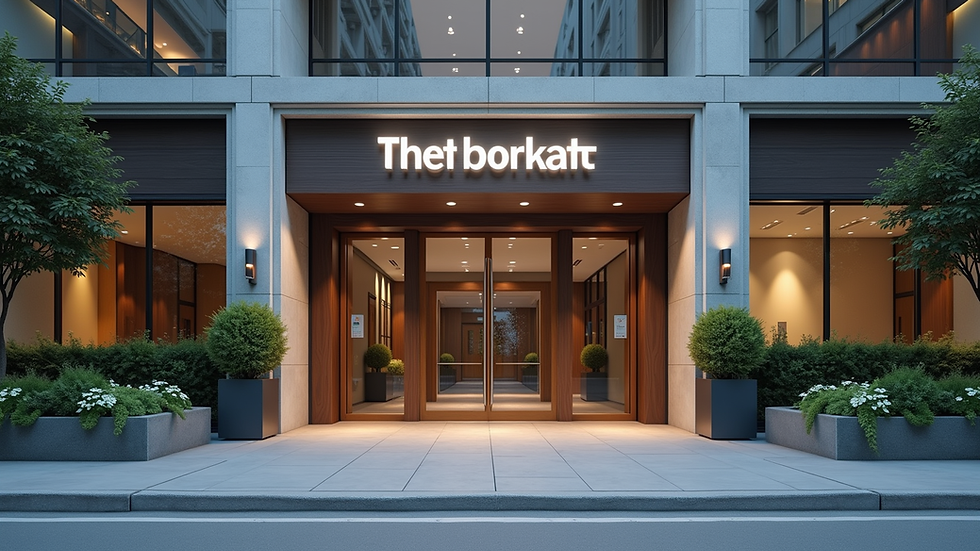
Signage serves as the first point of contact between a business and its audience. It conveys professionalism, quality, and the brand’s core values. For commercial developers and architects, integrating signage into the design process ensures that the brand message is embedded in the physical environment.
Key functions of signage for branding include:
Identification: Clearly marking the location and name of the business.
Navigation: Guiding visitors through complex spaces.
Communication: Delivering brand messages and values.
Aesthetic Enhancement: Complementing architectural design to create a unified look.
For example, a high-end office tower benefits from signage that reflects its prestige and modernity. Using materials like brushed metal or backlit acrylic can reinforce a brand’s commitment to quality and innovation.
Design Principles for Effective Signage for Branding
Designing signage for branding requires attention to several technical and aesthetic factors. The goal is to create signs that are visible, legible, and aligned with the brand identity.
Visibility and Legibility
Use high-contrast colors to ensure readability from a distance.
Select fonts that are simple and bold.
Consider lighting conditions and incorporate illumination if necessary.
Material Selection
Choose durable materials that withstand environmental conditions.
Match materials with the architectural style of the building.
Use finishes that enhance the brand’s tone, such as matte for sophistication or gloss for vibrancy.
Placement and Scale
Position signs at eye level or in prominent locations.
Scale signs proportionally to the building and surrounding elements.
Ensure signs do not obstruct architectural features but rather complement them.
Consistency
Maintain uniformity in color, typography, and style across all signage.
Align signage with other brand touchpoints for a seamless experience.
Technical Integration and Innovation in Signage
Modern signage for branding incorporates advanced technologies to enhance functionality and appeal. Digital displays, LED lighting, and interactive elements are increasingly common in commercial environments.
Digital Signage
Allows dynamic content updates.
Supports multimedia presentations.
Engages visitors with interactive features.
Energy Efficiency
Use LED lighting to reduce power consumption.
Incorporate sensors to adjust brightness based on ambient light.
Durability and Maintenance
Select materials resistant to weather and vandalism.
Design for easy cleaning and repair.
Integrating these technologies requires collaboration between architects, developers, and signage experts. This ensures that the signage system aligns with the building’s infrastructure and branding goals.
Strategic Benefits of Architectural Signage
Incorporating architectural signage into commercial projects delivers measurable benefits. It elevates the brand presence and enhances user experience.
Brand Recognition: Consistent and well-designed signage increases brand recall.
Customer Confidence: Professional signage signals reliability and quality.
Wayfinding Efficiency: Clear signage reduces confusion and improves flow.
Competitive Advantage: Distinctive signage differentiates a property in a crowded market.
For instance, a retail complex with unified signage across all stores creates a cohesive shopping environment. This consistency supports the overall brand strategy and encourages repeat visits.

Implementing a Unified Technical Vision for Signage
Achieving a unified technical vision for signage requires a systematic approach. It involves planning, design, fabrication, and installation phases that align with the brand’s objectives.
Planning
Conduct site analysis to determine optimal signage locations.
Define brand guidelines specific to signage elements.
Establish budget and timeline constraints.
Design
Develop prototypes and mockups.
Test visibility and durability under real conditions.
Coordinate with architectural and engineering teams.
Fabrication
Use precision engineering to ensure quality and consistency.
Select suppliers with expertise in advanced materials and technologies.
Installation and Maintenance
Follow strict installation protocols to preserve design integrity.
Schedule regular maintenance to sustain appearance and function.
By following these steps, commercial developers and architects can ensure that signage for branding is not an afterthought but a strategic asset.
Maximizing Impact Through Signage for Branding
To maximize the impact of signage for branding, consider these actionable recommendations:
Integrate Early: Include signage planning in the initial design phase.
Focus on Quality: Invest in high-grade materials and craftsmanship.
Leverage Technology: Use digital and energy-efficient solutions.
Maintain Consistency: Align signage with all brand communications.
Evaluate Performance: Monitor signage effectiveness and update as needed.
These practices help create a strong, lasting brand impression that supports business growth and customer engagement.
This detailed approach to signage for branding highlights its critical role in commercial development. By prioritizing design, technology, and strategic planning, businesses can elevate their spaces and reinforce their brand identity effectively.



Comments