Revolutionizing Spaces with Modern Signage Solutions

Architectural signage transforms commercial environments. It integrates branding, navigation, and aesthetics into a cohesive visual language. This approach elevates spaces beyond mere function. It creates identity and guides users efficiently. Precision-engineered signage solutions redefine how buildings communicate.
The Role of Modern Signage Solutions in Commercial Spaces
Modern signage solutions serve multiple purposes. They provide clear wayfinding, reinforce brand identity, and enhance architectural design. Commercial developers and architects must consider these factors early in the design process. Effective signage blends seamlessly with the building’s structure and style.
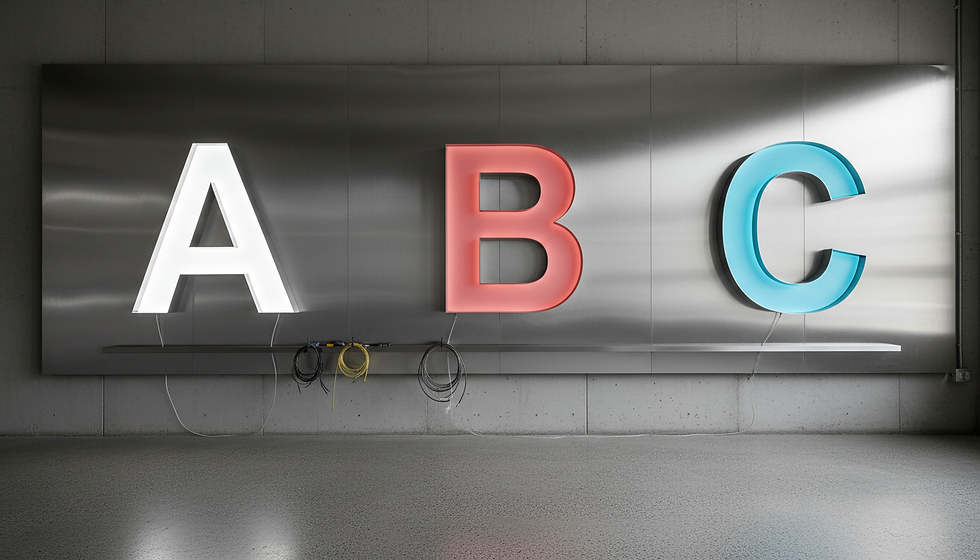
For example, a corporate headquarters may use backlit channel letters to highlight its logo. This creates a strong visual impact while maintaining architectural harmony. Similarly, directional signs with tactile elements improve accessibility and user experience. These solutions require technical expertise and attention to detail.
Materials play a crucial role. Metals like aluminum and stainless steel offer durability and a sleek finish. Acrylic and glass provide versatility for illuminated or etched signs. Combining materials can produce striking effects that complement the building’s facade.
Integrating Technology with Architectural Signage
Technology enhances the functionality and appeal of architectural signage. LED lighting, digital displays, and smart materials allow dynamic communication. These features adapt to changing needs and environments.
LED illumination improves visibility in low-light conditions. It also reduces energy consumption compared to traditional lighting. Digital signage enables real-time updates, ideal for large commercial complexes or campuses. Smart materials can change color or opacity based on environmental factors, adding an interactive dimension.
Implementing these technologies requires collaboration between designers, engineers, and fabricators. The goal is to maintain aesthetic integrity while maximizing performance. For instance, embedding LED modules within metal letters demands precise engineering to ensure heat dissipation and longevity.
Selecting the Right Architectural Signage Online
Choosing the right provider for architectural signage is critical. The process involves evaluating technical capabilities, design expertise, and project management skills. I recommend exploring architectural signage online to access a broad range of customizable options.
When selecting signage, consider:
Customization: Ability to tailor designs to specific architectural styles and branding guidelines.
Material Quality: Use of premium, durable materials suited for outdoor or indoor environments.
Technical Support: Expertise in installation, maintenance, and compliance with local regulations.
Project Scale: Capacity to handle large-scale commercial projects with tight deadlines.
A reliable partner will provide detailed mockups, prototypes, and installation plans. This reduces risks and ensures the final product meets expectations.

Practical Applications and Case Studies
Architectural signage finds application across various commercial sectors. Each project demands a tailored approach to meet functional and aesthetic goals.
Office Complexes: Use of directional signage with braille and high-contrast colors improves accessibility. Logo signs on entrances reinforce corporate identity.
Retail Centers: Large-scale illuminated signs attract customers and enhance brand visibility. Wayfinding kiosks with digital maps improve navigation.
Healthcare Facilities: Clear, consistent signage reduces confusion and stress. Materials must be hygienic and easy to clean.
Hospitality Venues: Elegant, custom signs contribute to ambiance and guest experience. Integration with lighting design is essential.
A recent project involved a multi-tenant office tower. We designed a modular signage system with interchangeable panels. This allowed tenants to update branding without replacing the entire sign. The system used anodized aluminum and LED backlighting for durability and visibility.
Future Trends in Architectural Signage
The future of architectural signage lies in innovation and sustainability. Advances in materials science and digital technology will drive new possibilities.
Eco-friendly Materials: Biodegradable composites and recycled metals reduce environmental impact.
Interactive Signage: Touch-sensitive and augmented reality elements enhance user engagement.
Energy Efficiency: Solar-powered lighting and low-energy displays become standard.
Data Integration: Signs connected to building management systems provide real-time information on occupancy, safety, and events.
Adopting these trends requires foresight and technical expertise. It also aligns with the growing demand for smart, sustainable commercial spaces.

Elevating Commercial Spaces with Precision-Engineered Signage
Architectural signage is more than decoration. It is a strategic tool that shapes perception and functionality. Precision engineering ensures signs withstand environmental challenges and maintain visual clarity.
By embracing modern signage solutions, commercial developments achieve a unified technical vision. This approach supports branding, enhances user experience, and adds lasting value to properties.
Investing in high-quality architectural signage reflects a commitment to excellence. It signals professionalism and attention to detail. The Sign Man Signs Unlimited aims to lead this transformation by delivering technically advanced, custom solutions that revolutionize commercial spaces.

Comments