Discover New Trends in Modern Architectural Signage Solutions

Architectural signage plays a critical role in defining the identity and functionality of commercial spaces. It combines aesthetics with utility, guiding visitors while reinforcing brand presence. As technology and design evolve, so do the trends in architectural signage. Staying updated on these trends is essential for delivering precise, high-end signage solutions that meet modern demands.
Embracing Modern Architectural Signage Solutions
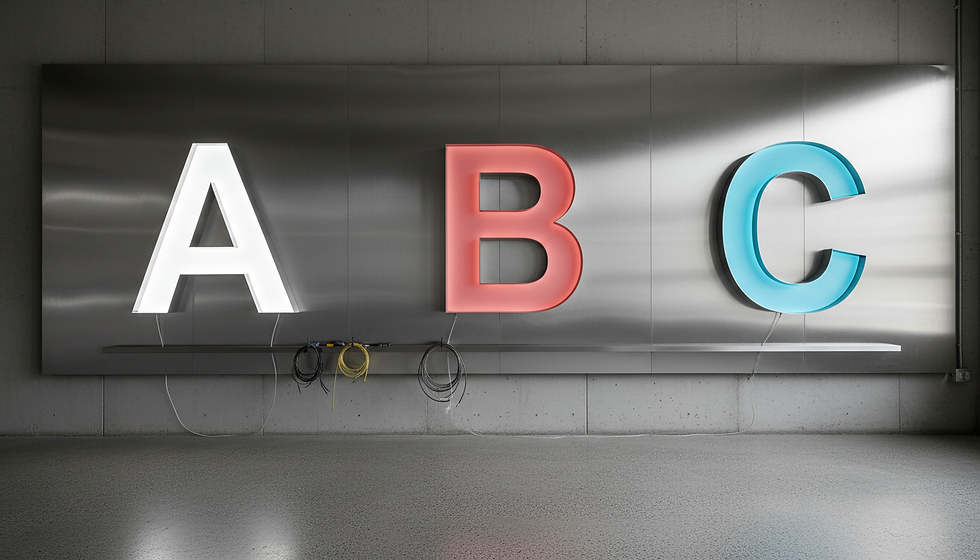
Modern architectural signage solutions focus on integrating advanced materials, innovative lighting, and digital technology. These elements enhance visibility, durability, and design flexibility. For example, the use of LED illumination has become standard, offering energy efficiency and dynamic display options. Materials such as acrylic, brushed aluminum, and glass provide sleek, contemporary finishes that complement commercial architecture.
Incorporating modular design allows for easy updates and maintenance. This approach supports evolving branding needs without requiring complete replacement. Additionally, 3D fabrication techniques enable the creation of intricate shapes and textures, adding depth and sophistication to signage.

Key Features Driving Architectural Signage Innovation
Several features define the current wave of architectural signage innovation:
Sustainability: Use of eco-friendly materials and energy-saving lighting systems reduces environmental impact.
Customization: Tailored designs that align with brand identity and architectural style.
Interactivity: Integration of digital displays and touchscreens for dynamic information delivery.
Durability: Weather-resistant and vandal-proof materials ensure longevity in outdoor environments.
Visibility: Enhanced lighting and contrast improve readability in various lighting conditions.
For instance, digital wayfinding systems now incorporate real-time updates, improving visitor experience in large commercial complexes. These systems combine traditional signage with digital interfaces, creating a seamless navigation solution.
Integrating Technology in Architectural Signage
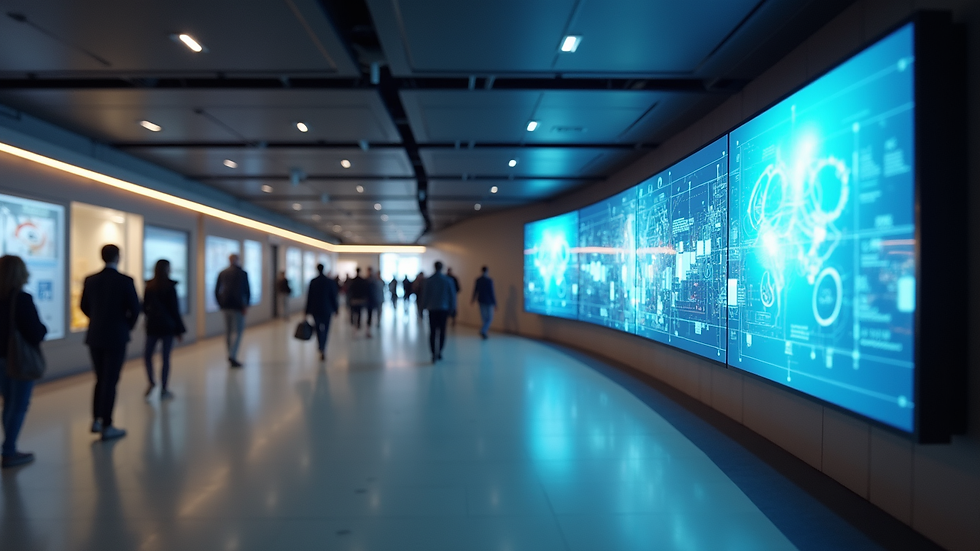
Technology integration is a defining trend in architectural signage. Digital signage, augmented reality (AR), and smart lighting systems are transforming static signs into interactive tools. Digital displays allow for content updates remotely, reducing downtime and maintenance costs.
Smart lighting systems adjust brightness based on ambient light, optimizing visibility while conserving energy. AR applications enable users to access additional information through mobile devices, enhancing engagement without cluttering physical space.
When sourcing architectural signage online, it is important to select providers who offer these advanced technological options. This ensures the signage remains relevant and adaptable to future needs.
Material Innovations and Their Impact on Design
Material innovation drives both aesthetics and functionality in architectural signage. New composites and finishes offer improved strength, lighter weight, and enhanced weather resistance. For example, high-density urethane (HDU) provides a versatile substrate for detailed carving and painting, suitable for both indoor and outdoor use.
Metal finishes such as corten steel add a rustic, industrial look while developing a protective patina over time. Glass and acrylic options now include anti-glare and anti-scratch coatings, maintaining clarity and appearance under heavy use.
These materials support minimalist and bold design trends, allowing for clean lines and striking visual impact. Selecting the right material depends on the environment, branding goals, and maintenance considerations.
Practical Recommendations for Implementing Architectural Signage
To maximize the impact of architectural signage, consider the following recommendations:
Assess Site Conditions: Evaluate lighting, weather exposure, and foot traffic to determine appropriate materials and lighting.
Prioritize Brand Consistency: Ensure signage design aligns with overall branding and architectural style.
Incorporate Technology Thoughtfully: Use digital and interactive elements where they add clear value without overwhelming the space.
Plan for Maintenance: Choose durable materials and modular designs to simplify upkeep and future updates.
Engage Expert Fabricators: Work with specialists who understand technical requirements and can deliver precision-engineered solutions.
These steps help create signage that is both functional and visually compelling, enhancing the commercial environment effectively.
Advancing Commercial Spaces with Precision-Engineered Signage
Precision-engineered architectural signage elevates commercial spaces by combining technical expertise with design innovation. It supports a unified technical vision for branding, ensuring every element contributes to a cohesive identity.
By adopting the latest trends and technologies, signage becomes more than a directional tool. It transforms into a strategic asset that enhances user experience and reinforces brand presence. For those seeking to explore options, sourcing architectural signage online offers access to a wide range of advanced solutions tailored to modern commercial needs.
Staying informed about new trends and materials allows for the creation of signage that meets the highest standards of quality and performance. This approach positions commercial developments at the forefront of architectural signage innovation.

Comments