How Architectural Signage for Branding Enhances Your Brand Identity

In commercial development and architectural design, every detail contributes to the overall perception of a brand. One critical element often overlooked is signage. Effective signage does more than direct visitors; it communicates a brand’s identity and values. I focus on how architectural signage for branding can elevate your commercial space and reinforce your brand identity with precision and clarity.
The Role of Architectural Signage for Branding in Commercial Spaces
Architectural signage for branding integrates signage into the physical structure of a building. It is not merely an add-on but a core component of the architectural design. This approach ensures that signage complements the building’s style, materials, and lighting, creating a cohesive visual experience.
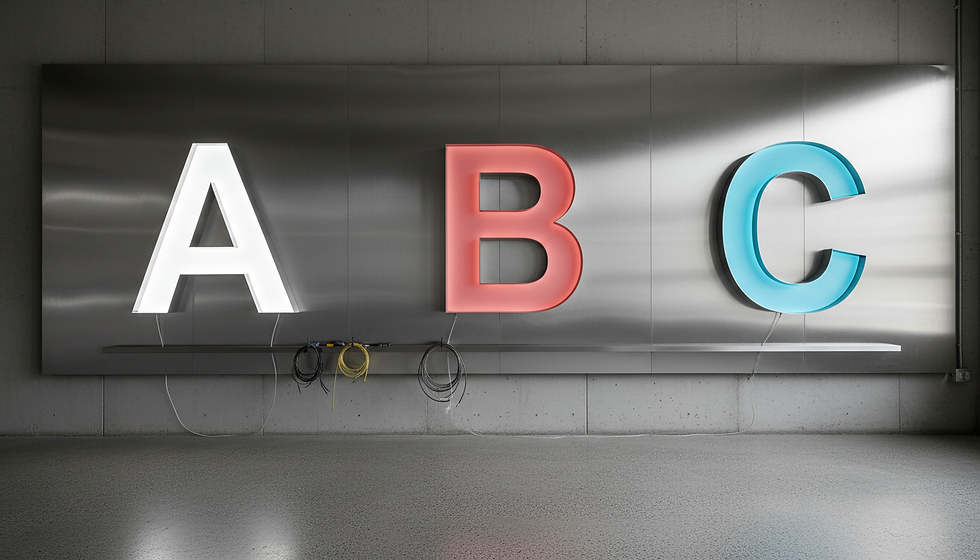
For example, a high-end office tower might use brushed metal letters mounted flush to a stone facade. This choice reflects the building’s modern, professional character. In contrast, a retail complex might incorporate illuminated channel letters with bold colors to attract attention and convey energy.
Key benefits include:
Consistency: Signage matches architectural elements, reinforcing brand identity.
Visibility: Strategically placed signs improve wayfinding and brand recognition.
Durability: Materials and construction methods ensure longevity and maintain appearance.

Design Principles That Strengthen Brand Identity
Design is the foundation of effective architectural signage. I emphasize the importance of aligning signage design with brand guidelines and architectural style. This alignment creates a seamless brand experience from the exterior to the interior.
Consider these design principles:
Typography: Use fonts that reflect the brand’s personality. A law firm may choose serif fonts for tradition and trust, while a tech company might prefer sleek sans-serif fonts for innovation.
Color Palette: Match signage colors with brand colors and building materials. This reinforces brand recognition and visual harmony.
Material Selection: Choose materials that reflect brand values. Sustainable brands might opt for recycled metals or eco-friendly composites.
Lighting: Incorporate lighting to enhance visibility and create ambiance. LED backlighting or halo effects add depth and sophistication.
By applying these principles, signage becomes a visual ambassador for the brand, communicating professionalism and attention to detail.
Technical Considerations for Architectural Signage
Technical precision is essential in architectural signage. I focus on the engineering and installation aspects that ensure signs perform well and last long.
Important technical factors include:
Structural Integration: Signs must be securely attached without damaging the building envelope. This requires collaboration with architects and engineers.
Weather Resistance: Materials and finishes should withstand local climate conditions, including UV exposure, moisture, and temperature fluctuations.
Maintenance Access: Design signage for easy cleaning and repairs to maintain appearance over time.
Compliance: Ensure signage meets local regulations and accessibility standards.
For example, a sign mounted on a glass curtain wall requires specialized anchors and vibration dampening to prevent damage. Similarly, illuminated signs need proper electrical planning and safety measures.

Enhancing Brand Identity Through Strategic Placement
Placement of architectural signage is as important as design and materials. I recommend a strategic approach to location and scale to maximize impact.
Key placement strategies:
Entry Points: Position signs at main entrances to create a strong first impression.
Height and Scale: Ensure signs are visible from key vantage points such as streets, parking lots, and transit stops.
Wayfinding: Use directional signage to guide visitors smoothly through the property, reinforcing brand presence at every step.
Contextual Awareness: Consider surrounding buildings and signage to avoid visual clutter and maintain brand prominence.
For instance, a large illuminated logo above the main entrance can serve as a landmark, while smaller signs inside the lobby reinforce the brand identity consistently.
Future-Proofing Your Brand with Architectural Signage
Architectural signage is an investment in your brand’s future. I advise planning for adaptability and technological integration to keep signage relevant as your brand evolves.
Consider these future-proofing tactics:
Modular Design: Use components that can be updated or replaced without full removal.
Smart Technology: Integrate digital displays or interactive elements for dynamic messaging.
Sustainability: Select eco-friendly materials and energy-efficient lighting to align with modern corporate responsibility goals.
Brand Evolution: Design signage systems flexible enough to accommodate brand refreshes or expansions.
By anticipating change, you protect your investment and maintain a strong brand presence over time.
Architectural signage is a powerful tool to enhance brand identity in commercial environments. By combining thoughtful design, technical expertise, and strategic placement, I help create signage solutions that elevate your brand with precision and clarity. This approach supports a unified technical vision and positions your commercial space as a landmark of modern branding excellence.


Comments